
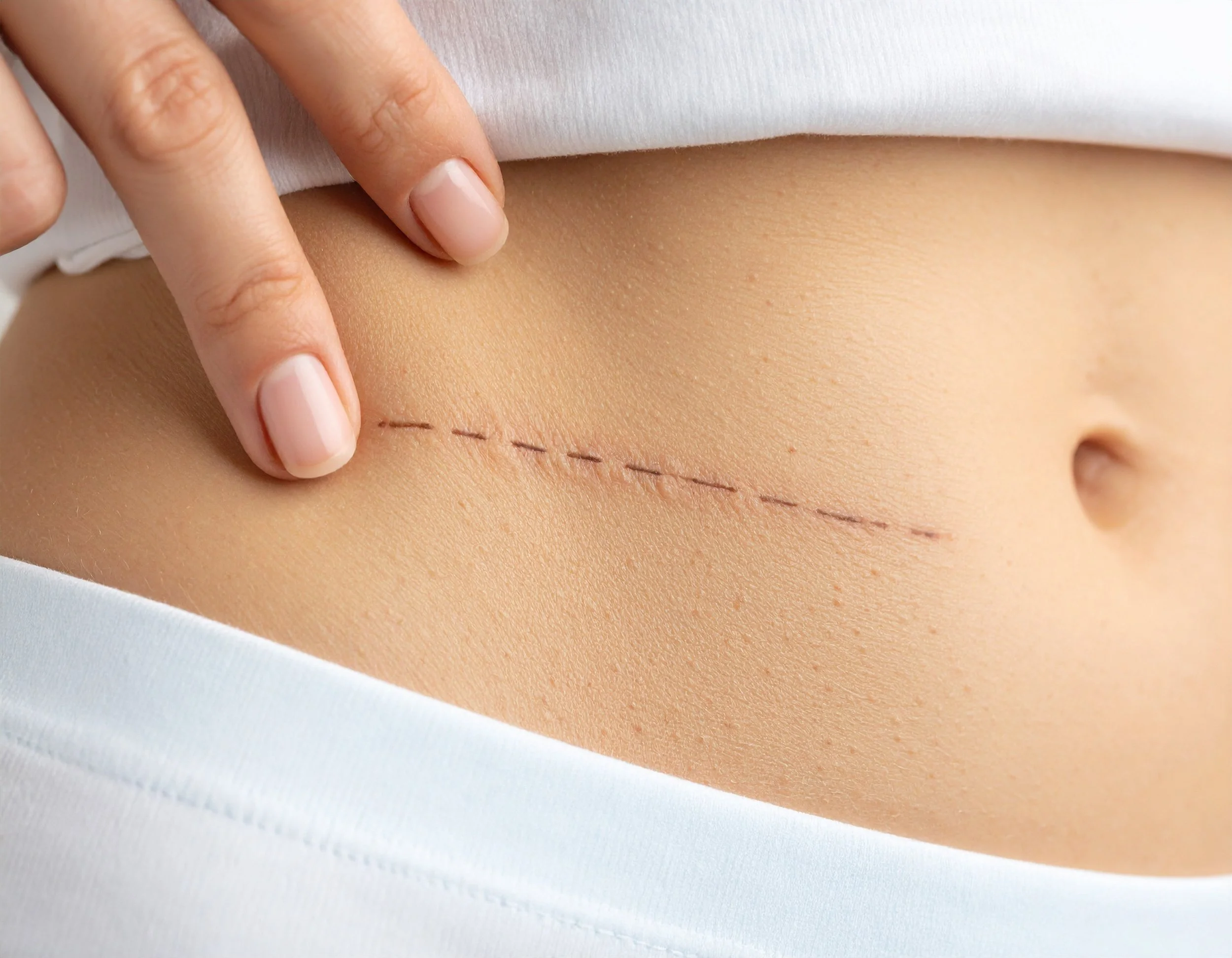
Wound & Scar Management
Download PDF here.
S C A R M A N A G E M E N T
Understanding Your Scar
Following surgery or after a wound has healed, a scar will start to form.
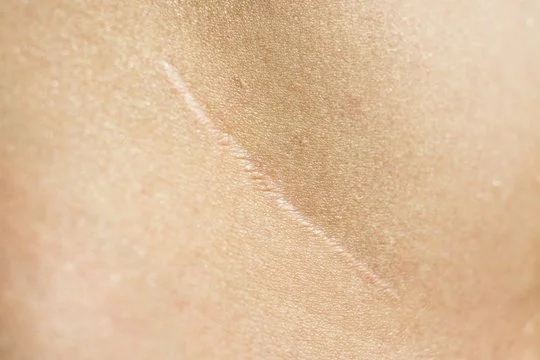
Scars are red initially and you may have a tight, pulling sensation in the first one to three months. This is normal. Scars do not fully mature for 18 months but will continue to improve in appearance over time.
What can you do to get the best possible scar?
Once fully healed, massage the scar using a simple non-perfumed moisturiser. Use your thumb or forefinger in a circular motion. Tenderness at first is normal — it improves with continued daily massage. Gradually increase pressure over two to three weeks, focusing on any "lumpy" areas.
1
Massage
We calculate fees based on scope, complexity, and projected resources, then present a transparent proposal.
2
Taping
If a scar dries out and cracks, more scar tissue can form. Moisturising regularly keeps the scar soft, prevents drying and helps with itchiness.
3
Moisturising
Silicone Ointment
After moisturising, apply a silicone-based gel in one clear swipe. (Do not use this to massage as it will break down the silicone within the gel.)
Silicone greatly reduces the appearance of the scar. On areas of friction, silicone sheets can work better than creams as these can rub off.
4
Avoid Sun Exposure
Sun exposure should be minimised on all fresh scars as UV radiation can increase the redness of immature scars and cause permanent pigmentation. Wear SPF 50 sun cream on your face, hands and ears every day.
5
When to Contact Our Nursing Team
If you have any concerns about your wound, contact our nursing team for advice: